
Working with a realtor when you downsize
A typical listing is about preparing one house and finding a buyer. A downsize usually means two moves at once: selling the home you have, choosing what comes next, and lining up the dates so you are not rushed or stuck. That is the work I do with people who are right-sizing in Denver and the suburbs.
We start with a real number on your current home, then talk through whether to sell first, buy first, or line both closings up. I help you think through a rent-back if you need time after closing, flag the repair and presentation items that matter to buyers, and keep the next-home search tied to what you will actually net. When you want a starting figure, use the home-value tool or book a consultation, and we can go from there.
Is it time to downsize?
Most people thinking about downsizing in Denver aren’t in a hurry. They’re noticing things: bedrooms that only get used at the holidays, a yard that takes every Saturday, stairs that feel steeper than they used to, or a house that costs more to run than it’s worth to them now. Some want to travel more or live closer to family.
There’s no right age for this, and “smaller” doesn’t have to mean less comfortable. Plenty of people trade square footage for a better location, a newer floor plan or a lock-and-leave lifestyle. The real question is whether your house still fits the way you want to live for the next ten years.
Key takeaways
- Decide the order of moves early. Selling first, buying first and a contingent purchase each have real tradeoffs.
- Start sorting months before you list. A long-held home takes longer to edit than most people expect.
- Luxury buyers compare your home with updated and new homes, so condition and records matter.
- Ask a CPA about the home-sale exclusion and your county assessor about the senior property tax exemption before you move.
Sell first, buy first, or line them up?
This is usually the first big question, and the answer depends on your equity, your comfort with risk and how specific your next home needs to be. Here are the common paths. This is general information, not lending advice, so bring a lender in early.
- Sell first. You know exactly what you have to spend, and you aren’t carrying two homes. The tradeoff is that you need somewhere to go. The Colorado Real Estate Commission’s purchase contract can include a Post-Closing Occupancy Agreement, often called a rent-back, which lets a seller stay for an agreed period after closing. The buyer has to agree, and the terms are negotiated.
- Buy first. You can find the right next home and move once. The tradeoff is carrying both homes until the first one sells. Some downsizers pay cash; others ask their lender about a bridge loan or a home equity line. Talk to your lender well before you list, because timing matters for some of these options.
- Make your purchase contingent on your sale. The Colorado contract includes a “Conditional Upon Sale of Property” section. It lets a buyer terminate if their current home hasn’t sold and closed by an agreed deadline. It protects you, but some sellers see it as a weaker offer, so it works best when your home is already priced and ready to go.
Whichever path you choose, I’ll help you line up both timelines.
| Path | Best when | Tools that help | Watch out for |
|---|---|---|---|
| Sell first | You need your equity to buy, or want a clean, non-contingent offer. | Rent-back (Post-Closing Occupancy Agreement); a longer closing | Needing short-term housing if dates don’t line up |
| Buy first | The next home is specific and hard to find. | Cash, a bridge loan or a home equity line (ask your lender) | Carrying two homes; qualifying for both |
| Contingent purchase | Your home is priced and ready to go. | The Colorado contract’s “Conditional Upon Sale of Property” section | Sellers may see it as a weaker offer |
Timing your sale with the market
When you downsize, you’re in two markets at once: the market for your larger home and the market for the smaller home you want next. They don’t always move together, so I look at both: the listings you’ll compete with and the closest recent sales for your home, and how much choice there is, and how fast it’s selling, in the style and location you want next.
Season matters, and I cover it in the timing step of how to sell a luxury home in Denver. For downsizers, the bigger factor is usually readiness. A home that’s sorted, repaired and photographed well does better in any season than one rushed to market. My guide to the cost to sell a house in Colorado covers the line items on your net sheet, including the property tax credit to the buyer at closing.
Sorting a home you’ve lived in for years
Sorting is where most downsizing plans slip. Years of furniture, files, garage gear and keepsakes don’t sort themselves, and the emotional side takes time. What I suggest:
- Start early. Give yourself months, not weeks, and begin with the rooms you use least, like the basement, garage and guest rooms.
- Plan around the next home. If you know your next floor plan, measure it. If not, assume less storage and fewer rooms.
- Use four piles. Keep, give to family, sell, and donate or discard. Give family a clear deadline to claim what they want.
- Get help with the big items. An estate sale company, consignment shop or moving manager can be worth it when a home is full of quality furniture.
- Save the records. Keep permits, warranties, improvement receipts and HOA documents for buyers and your CPA.
You don’t need an empty house to list, just an edited one. The staging section of my luxury selling guide covers what stays for photos and showings.
What luxury buyers expect from a long-held home
A long-loved home often has great bones, a mature lot and a location newer communities can’t match. It may also have original systems or dated finishes. Today’s luxury buyer compares it with updated resales and new construction, so the goal is confidence:
- Know the condition first. A pre-listing inspection, plus a sewer scope or radon test where it makes sense, shows you what a buyer’s inspector is likely to find while you can still repair, price or disclose on your terms.
- Choose updates carefully. Paint, lighting, landscaping and repairs often make sense before listing. A major remodel right before you move often doesn’t; it can be better to price for the work and let the next owner choose finishes.
- Price against the right homes. I compare your home with the closest true comparables, adjusting honestly for condition and updates, not with a neighborhood average.
My seller guides for Highlands Ranch, Parker, Castle Rock, Castle Pines, Lakewood and Denver cover each market’s wrinkles.
Downsizing in Denver: home types compared
| Home type | Stairs | Outside upkeep | Good for | Ask about |
|---|---|---|---|---|
| Ranch / main-floor primary | Main-floor living | Usually yours | Keeping a yard and garage | Basement stairs, roof and systems age |
| Patio home | Often single-level | Often HOA landscaping and snow | Less yard work, still detached | Exactly what the sub-association covers |
| Townhome | Often multi-level | Often HOA exterior | Lock-and-leave travel | Stairs, shared walls, reserves |
| Condo | Elevator buildings available | HOA | Walkable, low upkeep | Dues, reserves, rental rules |
| 55+ community | Many ranch plans | Varies by community | Social calendar, peers | Age rules, guest rules, dues |
Lakewood · Patio homes
Solterra
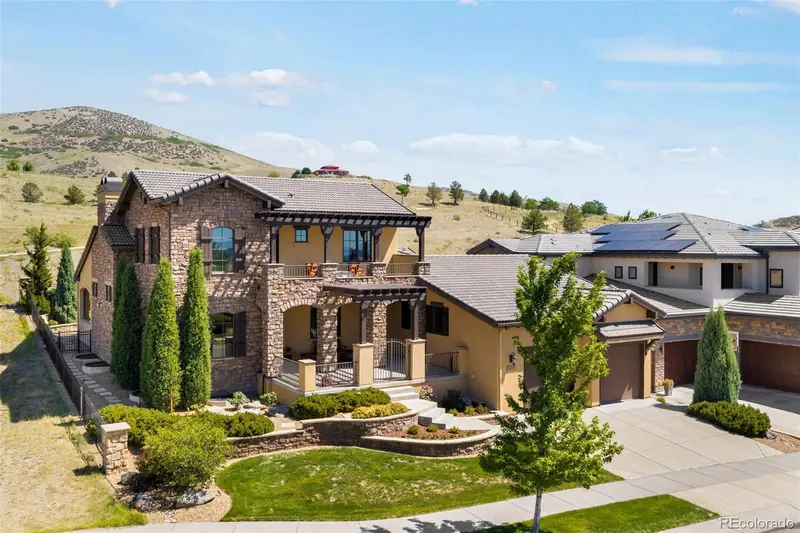
Solterra’s patio homes have their own sub-association for landscaping and snow removal. Solterra homes
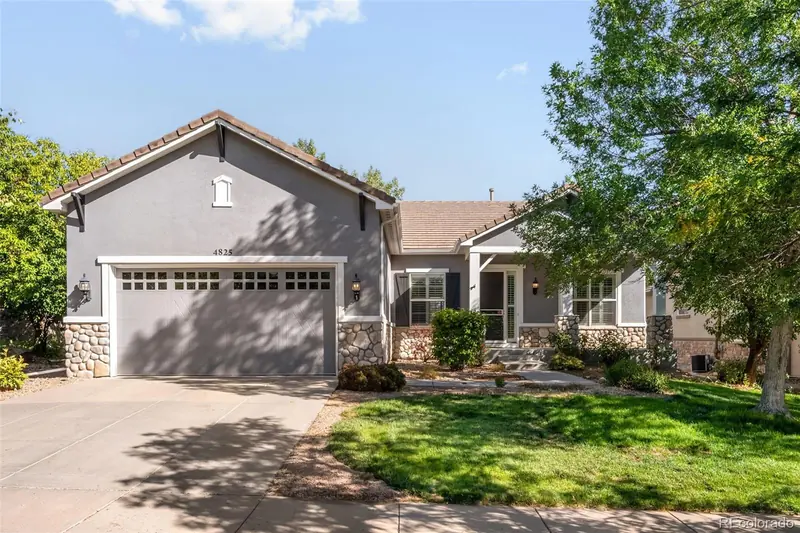
Highlands Ranch · Stay close
Highlands Ranch

Downsize without leaving the rec centers and trails you use. Highlands Ranch homes
Where downsizers often look
These are the home types downsizers commonly consider, with a few local examples:
- Ranch and main-floor primary homes. Single-level living is a common request. In Denver, Belcaro is known for large ranch-style homes on generous lots, close to Cherry Creek. In Castle Pines, Shea Homes’ Reserve collection at The Canyons offers single-story ranch plans with optional finished basements (lineups change, so confirm availability; see my Castle Pines builders guide).
- Patio homes. These trade yard work for a smaller footprint. In Solterra in Lakewood, the patio homes have their own sub-association, which provides landscaping and snow removal on top of the master HOA.
- Lock-and-leave townhomes and condos. If you travel or want to walk to dinner, Cherry Creek offers luxury townhomes and condominiums near Cherry Creek North, and in Lakewood, the area around Belmar offers lock-and-leave living.
- Age-restricted (55+) communities. These exist around the metro, such as Anthem Ranch in Broomfield. Read the covenants closely for age rules, services and any limits on renting. Kaylie’s guide to 55+ communities near Denver compares the options from Broomfield to Colorado Springs.
- Staying close to home. Many people just want a smaller place in the community they know. In Highlands Ranch, nearly every home belongs to the Highlands Ranch Community Association, so staying in town can mean keeping the recreation centers and trails you already use.
Whatever the style, look hard at the HOA: what the dues cover, the rules, and whether there’s a metro district on the tax bill. If you’re weighing in-town Denver, see my guide to the best luxury neighborhoods in Denver.
Thinking about a 55+ community?
My guide to 55+ communities near Denver compares nine age-restricted and active-adult communities, each confirmed on its builder’s or association’s own website. They include resale options like Anthem Ranch in Broomfield and Heritage Eagle Bend in Aurora, and new-home communities in Castle Rock, Parker and Colorado Springs.
A 12-month downsizing timeline
- 12–9 months out
Get a real number
Home-value estimate, a walk-through with me, and an estimated net sheet. Meet a lender and a CPA.
- 9–6 months out
Choose your next home type
Tour ranch, patio, townhome, condo and 55+ options so you know what you actually want.
- 6–3 months out
Sort and repair
Start sorting room by room. A Senior Move Manager can help; NASMM has a directory. Fix the inspection-type items.
- 3–1 months out
Pick your order of moves
Sell first, buy first or contingent, and set dates, including any rent-back.
- Listing month
Prepare, photograph, list
Staging and photos, then review offers on price and on terms that fit your move.
- Closing
Move once
Line up the movers, closing dates and utilities so you go straight into the next home.
Senior Move Manager directory: NASMM: Find a Move Manager
Taxes and the senior exemption (high level only)
I’m not a tax advisor, and this isn’t tax or legal advice. These are questions to raise with a CPA and your county assessor before you sell:
- The federal home-sale exclusion. According to the IRS, if you meet the ownership and use tests (generally owning and living in the home as your main home for at least two of the five years before the sale), you may be able to exclude up to $250,000 of gain, or up to $500,000 if you’re married filing jointly. Long-held homes can have gains above that.
- Your basis. The IRS says the cost of additions and improvements is added to your home’s basis, so receipts for a past remodel or addition can matter.
- Colorado’s senior property tax exemption. Homeowners 65 or older who have owned and lived in their home as their primary residence for at least 10 consecutive years may qualify. For those who qualify and apply, 50 percent of the first $200,000 of the home’s actual value is exempt. It’s tied to the home you live in, so moving affects it. A temporary state classification offering similar relief to qualifying seniors who moved covers tax years 2025 and 2026; a 2026 law (SB26-116) ends it starting with 2027. Ask your county assessor how a move would affect you.
If you’re wondering whether to keep the house as a rental instead of selling, my sell or rent guide walks through that decision.
Downsizer market: last 3 months
Closed residential sales from 07/20/2026 to 10/20/2026 in Denver, Arapahoe, Jefferson and Douglas counties.
*Patio homes = single-family homes whose listing description includes the phrase “patio home” (a keyword search, not an MLS property type). Ranch-style homes are not shown because “Ranch” is not a searchable architectural style in the MLS. Source: REcolorado MLS, pulled 10/20/2026. Deemed reliable but not guaranteed.
A simple downsizing plan
Here’s the order I suggest for sellers who are ready to right-size:
- Get a real number. Start with a value estimate, then a walk-through and an estimated net sheet.
- Talk to a lender and a CPA. Choose your order of moves and understand the tax picture.
- Sort and repair. Edit the house, handle the inspection items and gather your records.
- List and line up the move. Coordinate closing dates, any rent-back and movers so you move once.
I work with buyers and sellers across Denver, Lakewood, Castle Pines, Highlands Ranch, Parker and Castle Rock, so I can help with the sale and the search, even when your next home is in a different town. I work with Sean Gribbons at The Gold Standard Brokerage; Sean founded the brokerage, and we run it together. When you’re ready, try the home-value tool, call or text me at 720-357-5785, or use the inquiry form on this page. No pressure to list until the plan feels right.